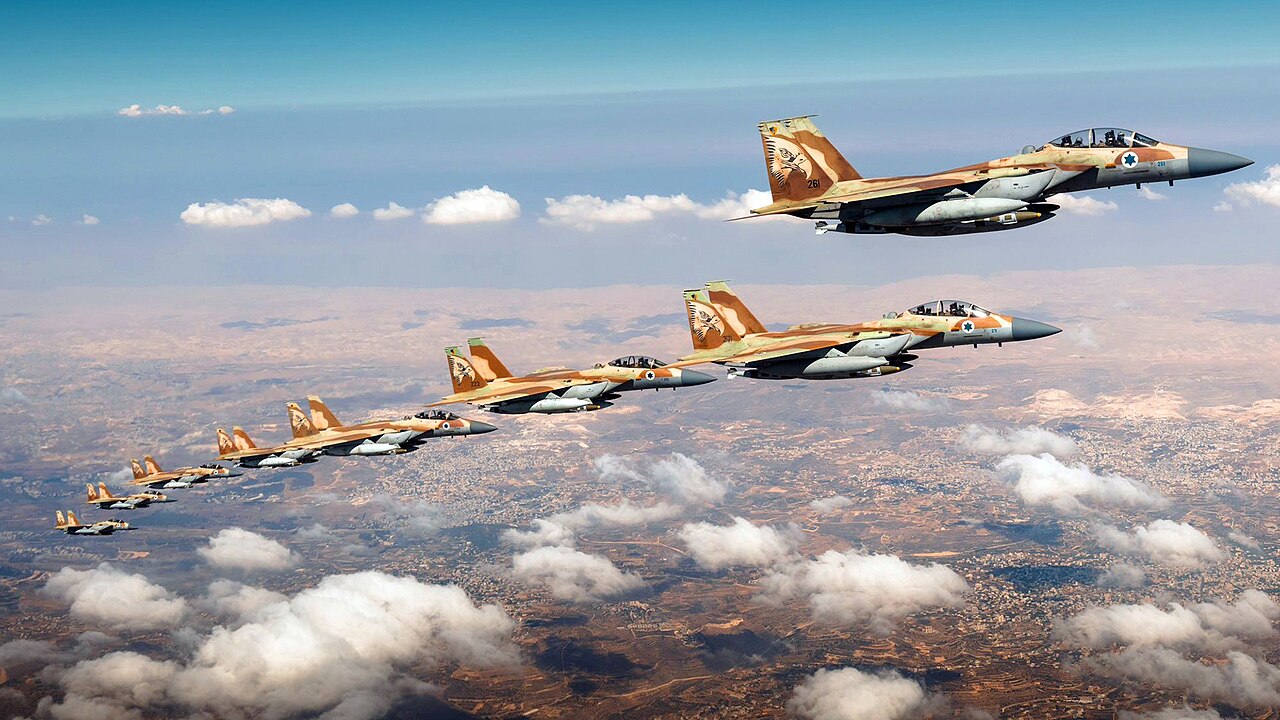
Iran-Israel Twelve-Day War: US-Qatar Mediated Ceasefire Begins
The global community breathes a collective sigh of relief as a US-Qatar mediated ceasefire officially brings an end to the intense "Twelve-Day War" between Iran and Israel. Effective from June 24, 2025, this critical agreement is set to provide a temporary reprieve, though its expiration on February 28, 2026, casts a long shadow over the future of regional stability. This significant development marks a pivotal moment in the ongoing narrative of iran israel war news, highlighting the intricate web of diplomacy, security concerns, and geopolitical maneuvering that defines the Middle East. While the cessation of hostilities is undoubtedly welcomed, the underlying tensions that ignited this conflict remain potent, demanding sustained international attention and a deeper understanding of the factors at play. The intervention by the United States and Qatar underscores the international community's profound concern over the escalating violence and the potential for wider regional destabilization.
A Fragile Pause: The Terms of the Ceasefire
The ceasefire, a direct outcome of tireless mediation efforts by the United States and Qatar, became active on June 24, 2025. This twelve-day period of intense conflict, marked by reciprocal military actions, has now given way to a precarious calm. The agreement outlines a cessation of all military activities, providing a much-needed window for de-escalation and humanitarian efforts. However, the specified expiry date of February 28, 2026, transforms this truce into a temporary measure, a pause rather than a resolution.
The involvement of the US and Qatar as mediators is particularly noteworthy. Qatar, with its strategic location and established diplomatic channels across the region, has frequently played a critical role in facilitating dialogue between conflicting parties. The United States, despite internal and external challenges to its traditional role as a global hegemon, demonstrated its enduring capacity and necessity in high-stakes diplomacy. Their joint efforts underscore the complexity of mediating between two nations with deeply entrenched hostilities and divergent strategic interests. For observers following iran israel war news, this mediation highlights the severe impact the conflict has on global stability, compelling major powers to step in. The immediate goal is to prevent further casualties and infrastructure damage, but the long-term objective must be to address the root causes of friction.
Unpacking the Conflict's Roots: Strategic Dimensions and IRGC's Role
The Twelve-Day War, while seemingly a sudden eruption, is rooted in decades of escalating proxy conflicts, ideological clashes, and a fierce competition for regional influence. At the heart of Iran's strategic capabilities are organizations like the Islamic Revolutionary Guard Corps (IRGC), whose advanced aerospace efforts have long been a point of contention. One such effort, the 2022 launch of the Khayyam satellite, exemplifies Iran's growing space ambitions. While officially for scientific purposes, such launches often raise concerns about dual-use technology and their potential military applications, fueling Israeli anxieties about Iran's technological advancements and their implications for national security.
The specific targeting of IRGC headquarters during the conflict, reportedly used to promote its aerospace efforts, speaks volumes about the strategic priorities of the warring parties. It indicates an intent to degrade specific capabilities perceived as threats, rather than simply engaging in retaliatory strikes. For Israel, curbing Iran's missile and drone capabilities, alongside its nuclear ambitions, remains a top security imperative. Conversely, Iran views its aerospace program as a vital component of its defensive and deterrent strategy, rejecting claims of offensive intent. Understanding these complex motivations is crucial for anyone following the latest iran israel war news. To delve deeper into these capabilities and their impact, read our comprehensive article on
IRGC Aerospace Efforts: How Iran's Ambitions Impact Regional Stability. The destruction or disablement of such facilities represents a significant blow to Iran's strategic infrastructure, forcing a re-evaluation of its operational security and potentially impacting future development timelines.
Regional Repercussions and Shifting Alliances
The reverberations of the Iran-Israel Twelve-Day War extend far beyond the immediate combat zones, significantly impacting regional dynamics and testing existing alliances. Countries like the United Arab Emirates, which have recently normalized ties with Israel through the Abraham Accords, find themselves in a particularly delicate position. Sources close to the Emirates indicate that Abu Dhabi is "struggling to understand Israeli conduct and the nature of briefings coming out of Jerusalem." This sentiment highlights a crucial challenge: while normalization aimed to foster stability and economic cooperation, the recurrence of intense regional conflicts complicates the perception of Israel as a reliable strategic partner among some Arab states.
The conflict forces Gulf nations to re-evaluate their security postures and diplomatic strategies. On one hand, there's a shared concern over Iranian regional influence and its nuclear program. On the other, the specter of widespread conflict and its economic ramifications for oil-rich nations is a potent deterrent. The fragility of these new alliances and the pressure they face during times of crisis underscore the intricate balance of power and interests in the Middle East. For those tracking iran israel war news, this tension within the Abraham Accords bloc represents a significant development, potentially influencing future diplomatic alignments and regional security frameworks. The broader impact could include renewed skepticism towards rapprochement, increased arms purchases, and a more cautious approach to regional integration efforts.
The Global Order Under Strain: A Test for International Diplomacy
The recent conflict serves as a stark reminder of the challenges facing the "rules-based world order" that former President Bush envisioned – one of peace, democracy, and a clear prohibition against invasions, with the US as the global hegemon. The reality of the Iran-Israel Twelve-Day War, however, paints a picture of persistent regional volatility, challenging the notion of unchallenged global hegemony and the efficacy of international norms. While the US played a crucial mediating role, the fact that such an intense conflict erupted at all suggests that the mechanisms for preventing large-scale warfare are under immense strain.
The ability of the international community to enforce a lasting peace relies heavily on sustained diplomatic engagement, robust monitoring mechanisms, and a willingness to address the core grievances of both sides. Practical tips for strengthening this order include:
- Sustained Dialogue: Moving beyond crisis management to continuous, multi-track diplomacy involving all relevant regional and international actors.
- Confidence-Building Measures: Implementing small, verifiable steps to reduce mistrust, such as joint economic projects or cultural exchanges in less contentious areas.
- Clarity on Red Lines: International bodies must clearly articulate consequences for violations of international law, backed by credible enforcement mechanisms.
- Addressing Root Causes: Moving beyond symptoms to tackle underlying issues like territorial disputes, resource competition, and ideological differences through comprehensive frameworks.
The current situation demands a recalibration of international engagement, focusing not just on brokering truces but on building durable foundations for peace that can withstand geopolitical tremors. This is critical for shaping the future of iran israel war news beyond mere conflict reporting.
Looking Ahead: What Lies Beyond February 2026?
While the current ceasefire offers a temporary respite, its finite nature – set to expire on February 28, 2026 – means that the fundamental challenges between Iran and Israel remain unresolved. This looming deadline creates a window of opportunity, but also a period of heightened uncertainty. What steps can be taken to ensure that this fragile truce does not merely serve as a prelude to renewed hostilities?
The coming months will be crucial for diplomatic efforts. Key considerations include:
- Reinforcing the Ceasefire: Establishing clear mechanisms for reporting and investigating any violations to prevent escalation.
- Expanding Dialogue: Utilizing the ceasefire period to initiate broader, more comprehensive negotiations addressing core security concerns of both Iran and Israel. This could involve direct talks or continued indirect diplomacy through mediators.
- Regional Security Architecture: Exploring the possibility of a wider regional security framework that includes all major players, aiming to de-escalate tensions and foster mutual security guarantees.
- Economic Incentives: International actors could consider offering economic incentives tied to sustained peace and de-escalation, benefitting both nations and the wider region.
For a deeper dive into the potential outcomes and the critical steps needed to navigate this post-ceasefire period, we encourage you to read
Understanding the Iran-Israel Ceasefire: What's Next After February 2026? The international community, particularly the mediating powers, must leverage this interim period to push for substantive diplomatic breakthroughs, rather than merely kicking the can down the road. The future trajectory of iran israel war news depends heavily on the actions taken (or not taken) in the coming months.
The Iran-Israel Twelve-Day War ceasefire, while a welcome development, underscores the persistent volatility in the Middle East and the critical need for sustained, comprehensive diplomatic engagement. The efforts of the US and Qatar have provided a crucial, albeit temporary, halt to the fighting. However, the expiry date of February 28, 2026, serves as a stark reminder that true peace requires more than just a pause in hostilities. It demands addressing the deep-seated grievances, managing strategic ambitions, and fostering a regional environment where dialogue triumphs over confrontation. The world watches keenly, hoping that this ceasefire marks the beginning of a genuine path towards stability, rather than merely a brief interlude in the ongoing saga of iran israel war news.